
Top Wastewater Flow Meter Types for Accurate Measurement
By:Admin
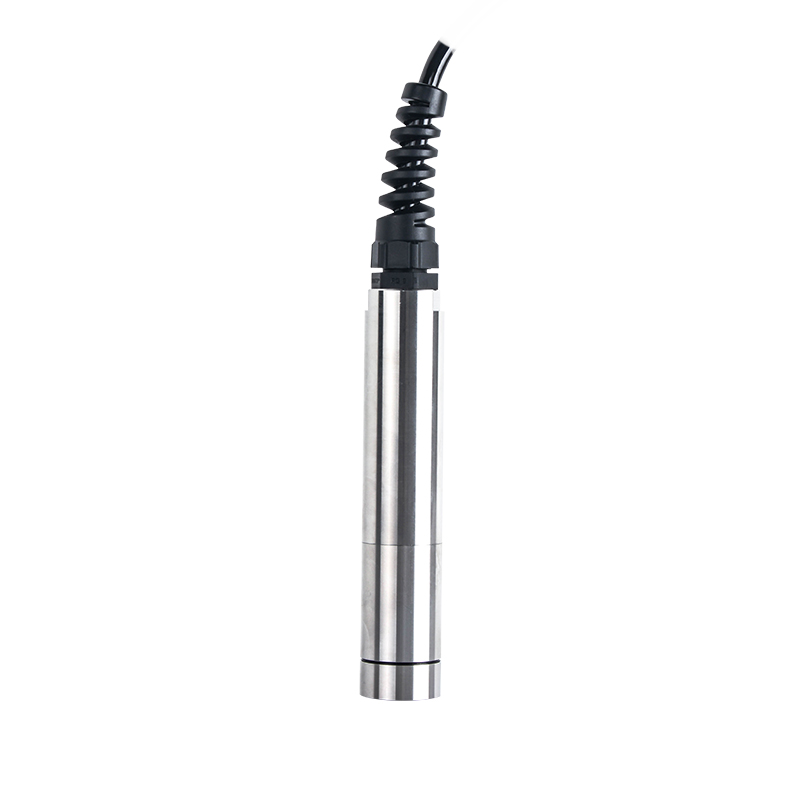
In the realm of water management, accurate measurement of wastewater flow is crucial for environmental protection, regulatory compliance, and efficient resource utilization. As cities expand and industrial activities increase, the demand for precise, reliable, and durable wastewater flow meters continues to grow. Recent developments in wastewater flow meter technologies have introduced a variety of options tailored to meet different measurement challenges inherent in wastewater systems.
Wastewater flow meters are specialized instruments designed to measure the volumetric flow rate of wastewater streams. Unlike clean water systems, wastewater environments often contain solids, debris, and varying chemical compositions, requiring flow meters that can withstand harsh conditions while maintaining accuracy. This article provides an overview of the main types of wastewater flow meters, their working principles, advantages, and typical applications, helping utilities and industries make informed decisions.
### Key Types of Wastewater Flow Meters
**1. Electromagnetic (Mag) Flow Meters**
Electromagnetic flow meters operate on the principle of Faraday’s law of electromagnetic induction. They measure flow velocity by detecting the voltage induced when a conductive fluid passes through a magnetic field. Since wastewater is generally conductive, mag meters are well-suited for this application.
Advantages:
- No moving parts, reducing maintenance
- High accuracy and reliability
- Unaffected by fluid density, temperature, or viscosity
- Can handle slurries and fluids with solids
Applications: Widely used in municipal wastewater treatment plants and industrial effluent monitoring.
**2. Ultrasonic Flow Meters**
Ultrasonic meters utilize sound waves to measure flow velocity. There are two primary types: transit-time and Doppler ultrasonic meters. Transit-time meters work best with clean fluids, while Doppler meters can handle fluids with suspended solids or bubbles by measuring the frequency shift of the reflected ultrasonic signals.
Advantages:
- Non-intrusive and clamp-on options available
- Suitable for pipes of various sizes
- Minimal pressure drop
- Easy installation and maintenance
Applications: Ideal for retrofitting existing pipelines and monitoring flows in challenging environments where insertion meters are difficult to install.
**3. Differential Pressure Flow Meters**
These meters measure flow by detecting the pressure drop across a flow restriction device such as an orifice plate, venturi, or flow nozzle. The differential pressure is proportional to the square of the flow velocity.
Advantages:
- Simple and cost-effective
- Widely understood and applied technology
- Suitable for high-pressure and temperature environments
Limitations: They can cause pressure loss, require regular maintenance, and may struggle with particulates common in wastewater.
Applications: Often used in industrial wastewater treatment and process control.
**4. Open Channel Flow Meters**
Open channel flow meters are designed to measure flow in open channels, such as canals and sewer overflow drains. They typically rely on level measurement combined with known channel geometry (e.g., weirs or flumes) to calculate flow.
Advantages:
- Suitable for non-pressurized wastewater systems
- Can handle varying flow rates and debris
- Continuous flow monitoring capability
Applications: Stormwater management systems, combined sewer overflow monitoring, and irrigation channels.
**5. Paddlewheel Flow Meters**
These meters feature a rotating paddlewheel that spins in response to fluid flow. The rotational speed correlates with flow velocity, providing a simple mechanical measurement.
Advantages:
- Low cost and simple design
- Good for clean to moderately dirty wastewater
- Easy to install and maintain
Limitations: Moving parts can wear out, less accurate in highly turbulent or debris-laden flows.
Applications: Small-scale wastewater monitoring and flow verification tasks.
---
### Industry Trends and Challenges
The wastewater industry is increasingly adopting smart flow meters that feature digital connectivity, real-time data transmission, and integration with SCADA (Supervisory Control and Data Acquisition) systems. These innovations enable operators to optimize treatment processes, detect leaks or blockages promptly, and comply with stringent environmental regulations.
However, challenges remain in handling highly variable wastewater compositions, preventing biofouling, and maintaining accuracy over long periods without frequent recalibration. Advances in materials science and sensor technology continue to address these issues by developing more robust flow meter components and self-cleaning capabilities.
---
### About [Company Name]
[Company Name] is a leading provider of innovative water and wastewater metering solutions, dedicated to delivering precision instruments tailored to the complex needs of modern utilities and industries. With decades of experience in fluid measurement technologies, [Company Name] offers a comprehensive portfolio of flow meters, including electromagnetic, ultrasonic, differential pressure, and open channel models.
Committed to quality and customer satisfaction, [Company Name] integrates cutting-edge technology with robust design to ensure reliable measurements even in the most challenging wastewater environments. Their team of experts supports clients from project planning through installation and maintenance, ensuring optimal performance and compliance.
By prioritizing research and development, [Company Name] continuously introduces new products that enhance operational efficiency and environmental stewardship. Their solutions help municipalities manage growing urban wastewater demands and assist industries in maintaining environmentally responsible discharge practices.
---
### Conclusion
Selecting the appropriate wastewater flow meter depends on specific site conditions, fluid characteristics, and operational objectives. Electromagnetic and ultrasonic meters are often the preferred choices for their accuracy and adaptability, while differential pressure and open channel meters serve important niche applications. As technology evolves, integrating smart features and durable materials will further enhance wastewater flow measurement reliability.
Utilities and industries looking to improve their wastewater flow monitoring are encouraged to consult with experienced providers like [Company Name] to evaluate the best solutions tailored to their needs. Reliable flow data not only ensures regulatory compliance but also supports environmental protection and efficient resource management, crucial for a sustainable future.